Source Rear Projection Home Theater Screen for Events, Teaching, Commercial
Find and compare 18 rear projection home theater screen options featuring aluminum frames, motorized drives, and various fabric types. These screens support indoor and outdoor use with customizable sizes up to 10 meters, offering 2-year warranties and fast delivery for diverse professional applications.
Key considerations
Products List




Comprehensive Sourcing Guide
Rear Projection Home Theater Screen Sourcing Guide
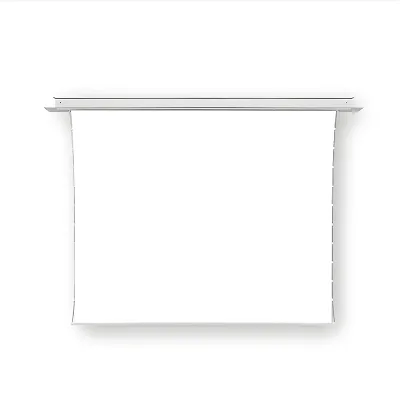
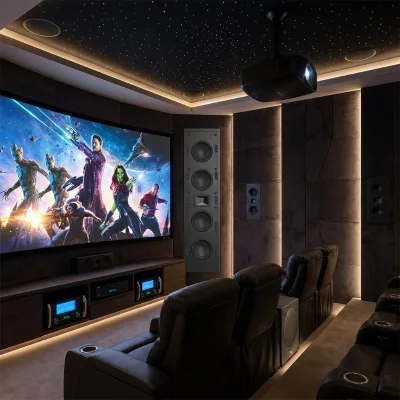
Sourcing a rear projection home theater screen requires distinguishing between fixed-frame and motorized solutions that accommodate specific room geometries and viewing distances. The market offers distinct configurations ranging from fast-folding tripods suitable for mobile events to wall-mounted electric units designed for permanent residential installations. Buyers must first determine whether the primary use case demands the portability of a flight-cased unit or the aesthetic integration of a flush-mounted housing, as these choices dictate the mechanical drive system and structural materials required.
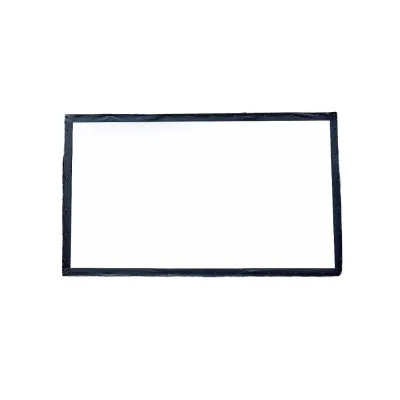
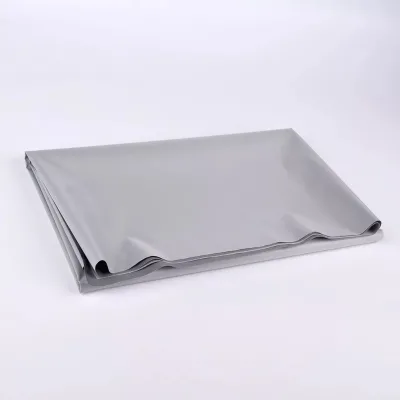
The procurement landscape includes products with varying screen formats, including 4:3, 16:9, and 2.35:1 aspect ratios, alongside customizable options for unique architectural needs. While some units feature a 3D silver surface to enhance depth perception, others rely on flexible white or HD grey fabrics to manage ambient light and acoustic transparency. Understanding these material differences is critical, as the screen fabric directly influences the gain, viewing angle, and overall image quality in a home theater environment.
Product Scope and Observed Listing Signals
The observed product range spans from compact 100-inch units to massive 400-inch screens, with specific models supporting diagonal sizes up to 10 meters for large-scale commercial or institutional applications. Listings indicate a clear segmentation between manual pull-down mechanisms and motorized systems driven by tubular motors, which often include standard RF remote controls for seamless operation. Buyers should note that while some products are listed as "without remote control," others explicitly include standard RF remotes, necessitating a careful review of the drive mode specifications before finalizing an order.
Packaging and delivery logistics vary significantly based on the screen size and frame material, with options ranging from standard cartons to heavy-duty wooden cases and flight cases for international transport. The observed delivery times typically fall between 3 to 10 days, suggesting a responsive supply chain for standard configurations, though custom sizes may require adjusted lead times. The presence of customization services allows buyers to tailor frame dimensions and fabric types, but this flexibility requires precise communication of requirements to ensure the final product matches the intended viewing area dimensions.
Technical Specifications to Verify
Verifying the drive mode and frame construction is essential for ensuring long-term reliability and smooth operation in a home theater setting. The market features aluminum frames in various thicknesses, such as 8, 10, or 15 cm, which provide structural rigidity for large screens, while the housing color is typically black to minimize visual distraction. Buyers must confirm whether the unit utilizes a fixed screen design or a motorized system, as the latter requires power integration and may involve specific wiring requirements that differ from manual pull-down models.
Screen fabric properties, including gain values and viewing angles, are critical metrics that define the visual performance of the installation. Observed specifications include gain ratings of 1.5 and 2.0, with viewing angles reaching up to 160 degrees, which are vital for ensuring consistent brightness across the seating area. Additionally, the availability of 3D silver surfaces and acoustic fabrics suggests options for specialized audio-visual setups, but buyers must verify that the selected fabric is compatible with the specific projector technology and room lighting conditions.
Compliance and Safety Documentation
Ensuring that the product meets international safety and environmental standards is a non-negotiable step in the procurement process. The supplied data indicates that many units comply with ISO2000, RoHS, and CE standards, which are essential for verifying that the materials used in the frame and fabric do not contain hazardous substances. Buyers should request specific test reports or certificates of conformity to confirm that the product adheres to these regulations, particularly when importing goods from China to regions with strict environmental and safety laws.
Warranty coverage and product condition are also key components of the compliance and risk management strategy. Most observed listings offer a 2-year warranty for new products, providing a baseline for after-sales support and defect resolution. However, buyers must clarify the scope of this warranty, including whether it covers motor failures, fabric tearing, or frame damage, and ensure that the documentation clearly outlines the claim process and any exclusions that might apply to specific usage scenarios.
Cost Drivers and Commercial Terms
The price of a rear projection screen is heavily influenced by the screen size, drive mechanism, and packaging requirements, with observed ranges spanning from $2.50 to over $2,100. Larger screens with motorized drives and specialized fabrics like 3D silver or acoustic materials command higher prices due to the increased material costs and complex assembly processes. Buyers should analyze the cost per square inch to determine the value proposition, as the price difference between a manual pull-down unit and a motorized electric model can be substantial.
Minimum Order Quantities (MOQ) and payment terms also play a significant role in the total cost of ownership, with observed MOQs ranging from 1 to 500 units. For single-unit purchases, the unit price may be higher, whereas bulk orders can leverage economies of scale to reduce the per-unit cost. Additionally, the choice of packaging, such as a wooden case versus a standard carton, can impact shipping costs and insurance premiums, so buyers should factor these logistics expenses into their overall budget planning.
Supplier Qualification and Quality Control
Supplier qualification should focus on their ability to provide consistent product quality and adhere to the specified technical standards. Buyers must verify that the supplier has a proven track record in manufacturing aluminum-framed screens with tubular motors and that they can consistently meet the ISO2000 and RoHS requirements. It is advisable to request samples or detailed product specifications to confirm that the frame material, fabric gain, and drive mode match the advertised claims before committing to a larger order.
Quality control processes should include rigorous testing of the motorized components and the structural integrity of the frame under load. Buyers should inquire about the supplier's internal testing protocols for the tubular motors and the durability of the screen fabric against wear and tear. Ensuring that the supplier has a robust quality assurance system in place will help mitigate the risk of receiving defective units and ensure that the final product performs reliably in a home theater environment.
Long-Term Procurement Checks
Establishing a long-term relationship with a supplier requires regular performance reviews and ongoing quality assurance checks. Buyers should monitor the supplier's ability to maintain consistent lead times and product quality over multiple orders, as any deviation could disrupt the installation schedule. It is also important to verify that the supplier remains compliant with evolving international standards and can provide updated documentation for future shipments.
Maintenance and support capabilities are critical for the longevity of the rear projection screen system. Buyers should confirm that the supplier offers accessible technical support for troubleshooting motor issues or fabric replacements and that spare parts are readily available. By maintaining a clear communication channel and establishing a service agreement, buyers can ensure that their home theater screens remain in optimal condition for years, maximizing the return on their investment.
FAQs
What sizes are available for rear projection home theater screens?
Rear projection home theater screens are available in sizes ranging from 100 inches to 400 inches. Some models support screen sizes up to 10 meters. Customized formats including 4:3, 16:9, and 2.35:1 are also offered to fit specific installation requirements.
Can rear projection screens be customized for specific needs?
Yes, customization is available for these screens. Buyers can select specific screen formats, fabric types, and frame materials. Options include aluminum frames, various housing colors, and specialized fabrics like HD Grey or Acoustic materials to suit different acoustic and visual environments.
What drive modes are supported for these projection screens?
These screens support multiple drive modes including manual pull-down, fixed screen, and motorized electric operation. Motorized options often feature tubular motors and come with standard RF remote controls. Some models are designed as fast-folding tripods for portable indoor and outdoor event use.
What certifications do these rear projection screens meet?
These screens typically meet ISO2000, RoHS, and CE standards. These certifications ensure compliance with international quality and safety regulations. Buyers can verify specific product standards during the sourcing process to ensure the equipment meets local regulatory requirements for commercial or household installations.
How long is the delivery time for these screens?
The standard delivery time for these screens is between 3 to 10 days. This timeframe applies to most standard configurations. Buyers should confirm specific lead times with suppliers, as custom orders or large volume purchases may require additional processing and packaging time.
What warranty is provided for rear projection home theater screens?
A 2-year warranty is typically provided for these screens. This coverage applies to new condition products. Buyers should review the specific warranty terms with the supplier to understand what components are covered and the procedures for claiming support during the warranty period.